Artisan BIOCHAR
Issue and Project › Biochar
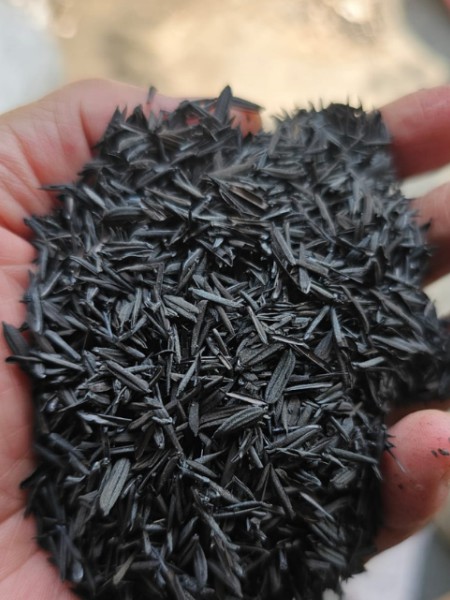
Biochar is a carbon-rich material produced through the pyrolysis of organic matter, such as plant biomass, in a low-oxygen environment. It has gained attention for its potential benefits in soil amendment and as a tool for participating in carbon markets. Here’s an overview of its applications and benefits:
Soil Amendment:
- Soil Improvement : Biochar enhances soil properties by increasing soil fertility, structure, and water retention. It provides a habitat for beneficial microorganisms and can improve nutrient availability.
- pH Regulation : It can help neutralize acidic soils, making nutrients more available to plants and promoting healthier crop growth.
- Enhanced Nutrient Retention : Biochar has a high surface area and can retain nutrients, reducing leaching and enhancing the efficiency of fertilizers. This means farmers can use fewer chemical inputs, leading to cost savings and reduced environmental impact.
- Water Management : By improving soil structure and retaining moisture, biochar can reduce the need for irrigation, contributing to more sustainable water management practices.
Carbon Market:
- Carbon Sequestration : Biochar is recognized for its ability to sequester carbon in the soil for long periods (hundreds to thousands of years). When biomass is converted into biochar instead of decomposing, it prevents the release of carbon dioxide and methane that would occur during normal decay.
- Carbon Credits : In carbon markets, practices that enhance carbon sequestration can generate carbon credits. Farmers who produce and apply biochar can potentially sell these credits, creating new revenue streams while incentivizing sustainable practices.
- Mitigation of Greenhouse Gases : The use of biochar can lead to reduced emissions of nitrous oxide and methane from agricultural systems, contributing to overall climate change mitigation efforts.
Artisan Biochar – Machinery
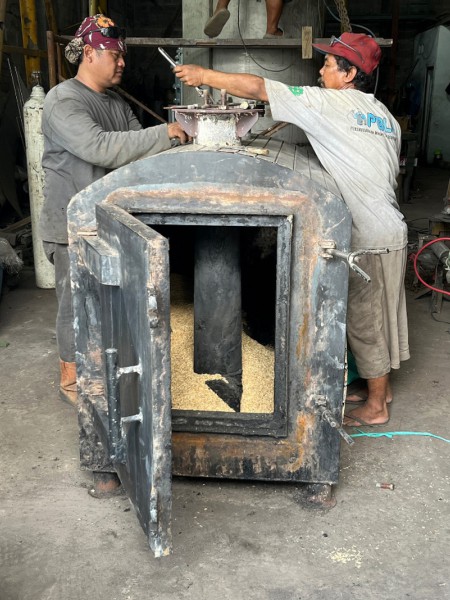
Artisan Biochar Machinery is designed to produce high-quality biochar efficiently and sustainably. Built with advanced pyrolysis technology, it converts agricultural residues and organic waste into carbon-rich biochar while minimizing emissions.
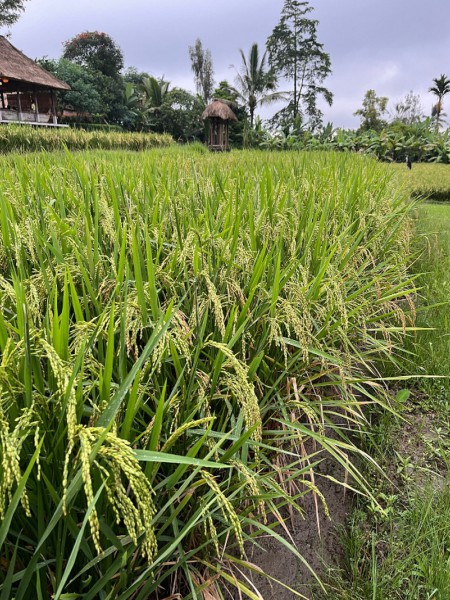
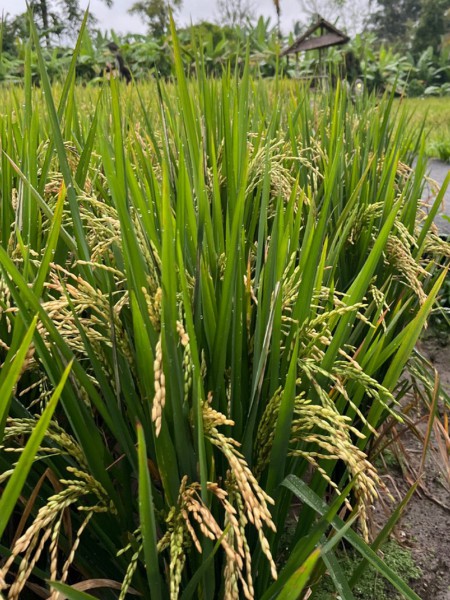
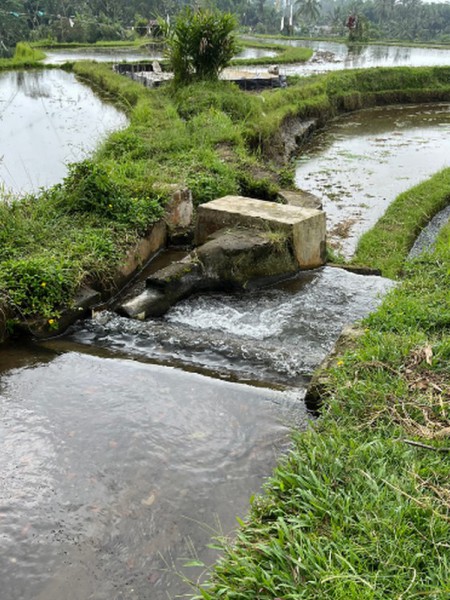
TYPE Low carbon VARIETY : MANSUR VARIETy with SUBAK PRACTICES
Low carbon varieties typically refer to crop varieties, including rice, that are bred or selected for their ability to grow with reduced greenhouse gas emissions, particularly carbon dioxide and methane. These varieties often have traits that enhance their efficiency in resource use, resilience to climate conditions, and overall environmental impact. Here are some key aspects of low carbon varieties, particularly in the context of rice:
Traits of Low Carbon Varieties:
- Drought Resistance : Varieties that can thrive in drier conditions typically require less water and can reduce methane emissions from flooded fields.
- Nitrogen Use Efficiency : Varieties that utilize nitrogen more efficiently can help minimize the use of synthetic fertilizers, which contribute to nitrous oxide emissions.
- Shorter Growth Cycles : Early maturing varieties can reduce the duration of flooded conditions, leading to lower methane emissions.
- Higher Biomass Production : Some varieties can capture more carbon through increased growth, which aids in carbon sequestration when residues are managed appropriately.
Breeding and Selection Efforts
- Conventional and Genetic Approaches : Low carbon varieties can be developed through traditional breeding or advanced techniques like marker-assisted selection and genetic engineering.
- Adaptation to Local Conditions : It’s essential to focus on local varieties that are suitable for specific environmental conditions and farming practices, ensuring that they meet the needs of farmers and ecosystems.
Integration with Sustainable Practices
- Synergy with Sustainable Farming Techniques : Low carbon varieties work best when integrated with practices like alternate wetting and drying (AWD), conservation tillage, and organic farming, further enhancing their environmental benefits.
Benefits of Low Carbon Varieties
- Reduced Greenhouse Gas Emissions : By minimizing methane and nitrous oxide emissions, these varieties help mitigate climate change.
- Improved Sustainability : They can contribute to sustainable agriculture by improving soil health and reducing dependency on chemical inputs.
- Economic Advantage : Lower input costs and potentially higher yields can enhance farmers’ profitability.