


AWD (Alternate Wetting and Drying)
Issue and Project › AWD
AWD (Alternate Wetting and Drying) Smart IoT for Water Level Managementrefers to the integration of Internet of Things (IoT) technologies with the AWD irrigation method in rice cultivation. This approach aims to optimize water usage, improve crop yields, and reduce greenhouse gas emissions, particularly methane.
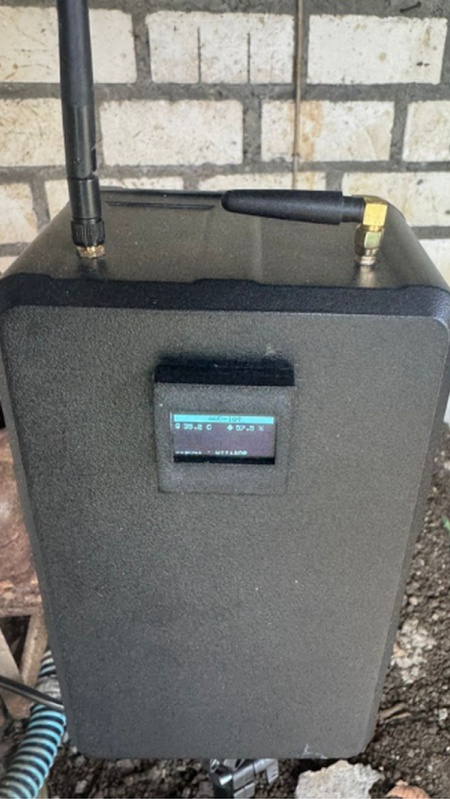
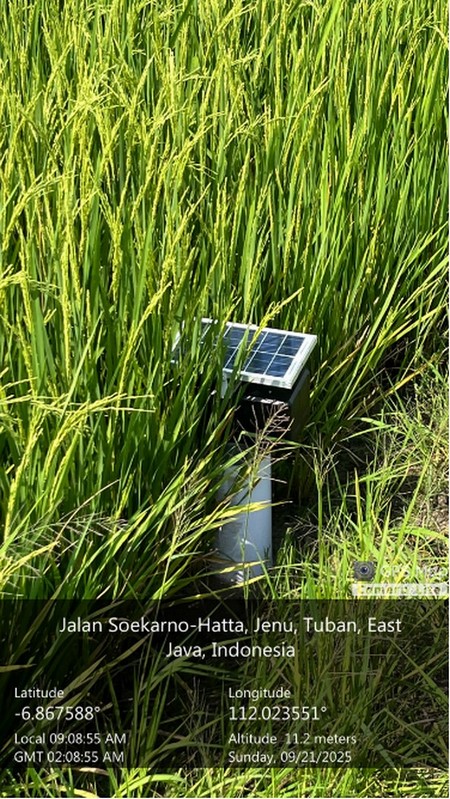
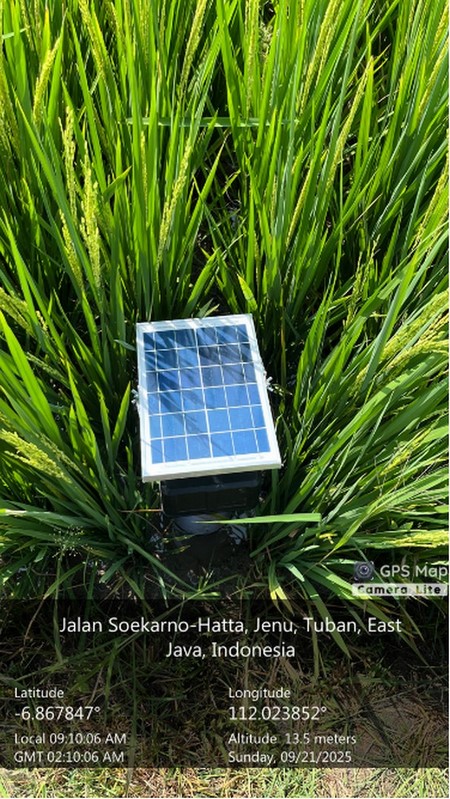
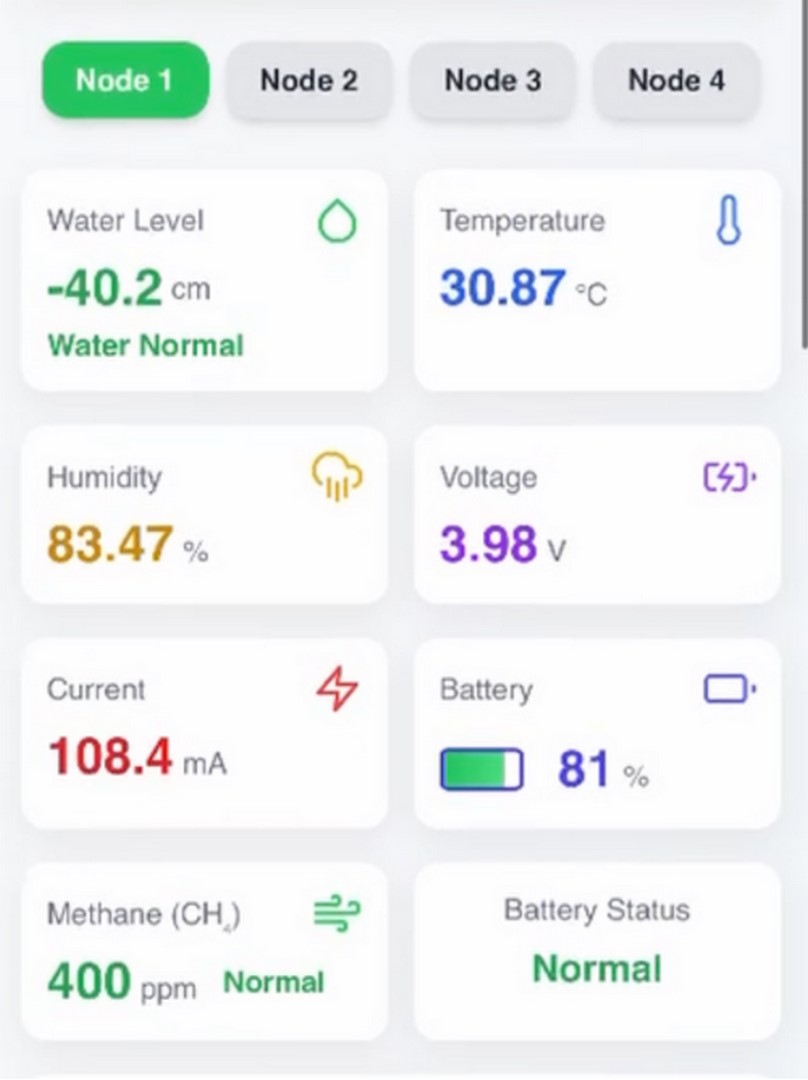
- Smart Sensors : IoT sensors are deployed in the fields to monitor soil moisture levels, water levels in paddies, and environmental conditions. These sensors provide real-time data on when irrigation is needed.
- Automated Systems : The data collected from sensors can be transmitted to a central system that analyzes the information. Based on predetermined thresholds, the system can automate irrigation processes, turning water flow on or off as needed.
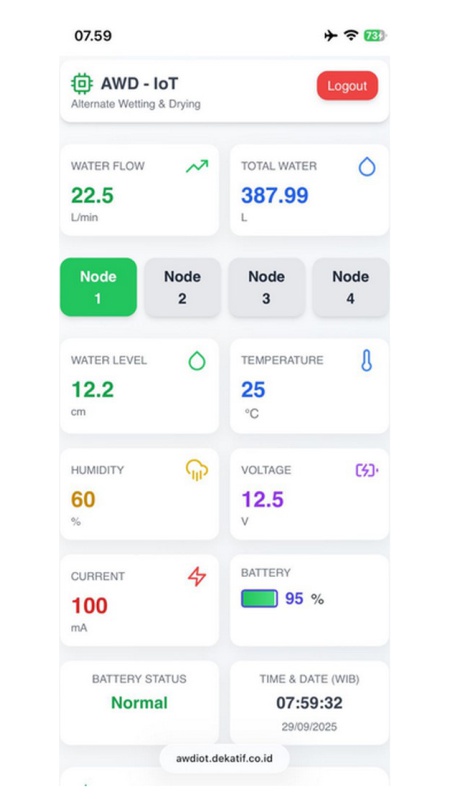
- Remote Monitoring : Farmers can access real-time data and insights through a mobile app or web platform. This enables them to make informed decisions about irrigation, reducing the risk of over- or under-watering.
- Data Analytics : Utilizing analytics, farmers can understand trends over time, predict water needs more accurately, and optimize the AWD practice. This can lead to better yields and lower water usage.
- Climate Adaptation : By improving water management through IoT, farmers can adapt to climate variability, ensuring that rice fields maintain optimal moisture levels while minimizing emissions associated with flooded paddies.
AWD (Methane)
Alternate Wetting and Drying (AWD) is a water-saving technique in rice cultivation that helps reduce methane emissions from paddy fields. By allowing the soil to periodically dry instead of staying continuously flooded, AWD improves water efficiency, maintains yield, and significantly cuts greenhouse gas emissions—making rice farming more climate-friendly
MRV Dashboard
The MRV (Monitoring, Reporting, and Verification) Dashboard is a digital platform designed to track, measure, and verify carbon performance in rice farming. It integrates data from field sensors, satellites, and farmer reports to provide real-time insights on emissions reduction, water use, and productivity. This transparent system ensures accountability and supports carbon credit certification